
Choosing how to light your custom gas fire pit is one of the first decisions you’ll make. It’s more important than you might think. Electronic ignition systems are convenient; a push of a button or a remote control can start your fire instantly. But when it comes to outdoor fire pits, especially in mountain climates, convenience doesn’t always mean reliability.
At Breck Ironworks, we talk to homeowners and builders all the time about manual vs. electronic fire pit ignition. Understanding the differences can save you time, money, and a lot of frustration down the road.
It’s also important to note that some counties or municipalities may have codes regarding ignition types. We highly recommend checking local regulations before ordering.
Electronic Ignition — Modern Convenience, Expert Support
Electronic ignition uses wires, sensors, and other electrical components that can fail when exposed to moisture, snow, or temperature swings. Repairs can be costly, and troubleshooting often requires a professional. That said, if electronic ignition is your preference, we absolutely can install it. W — and we partner with trusted vendors who are experts in electronic fire pit ignitions.
Our vendor even offers innovative solutions, including options that allow you to control your fire pit through an app. These systems provide the convenience many clients want while giving you peace of mind that you’re working with industry professionals.
However, it’s important to keep warranty and reliability in mind. Electronic components come with a 2-year parts warranty through our partners, and can require maintenance over time.
Fire Pit with Electronic Ignition at a Vacation Rental Building:
Manual Ignition — Simple, Safe, and Proven
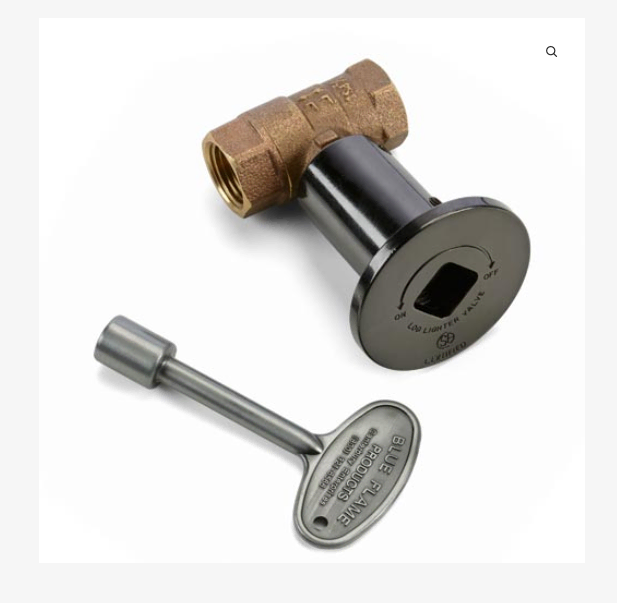
Manual ignition systems, sometimes called match-lit or mechanical systems, are straightforward and built to last. You simply light the fire manually and use a key valve. We source high-quality decorative key valve kits from trusted vendors.
They don’t rely on electricity, have fewer parts that can fail, and meet most county safety codes. And because of their simplicity, we back our manual ignition systems with a Lifetime Guarantee. It’s a level of confidence that’s hard to match with electronics.
Lighting your fire manually is what we always recommend for residential applications whenever possible. It’s the safest, most reliable option — especially in mountain environments where the weather can be unpredictable.
For added peace of mind, adding a mechanical timer to any ignition type is also a great safety upgrade. It ensures your fire pit automatically turns off after a set time, preventing accidental overnight burns.
Why a manual ignition is a good idea for homeowners and builders
- Homeowners: You can light your fire pit easily without worrying about batteries, electronics, or unexpected malfunctions.
- Builders & Landscape Architects: Manual ignition ensures your clients’ fire pits are safe, code-compliant, and low-maintenance. In areas with harsh weather, like high-altitude or mountain regions, manual systems outperform electronic ones every time.
Example of Fire Pit with a manual key valve and mechanical timer:
Making the Right Choice
When weighing fire pit ignition options, it’s worth considering reliability, safety, and long-term performance. Electronic ignition is a fine choice if you love the convenience. Our expertise over the years has shown that manual ignition is the smarter, more dependable option for most outdoor fire pits. Always check local codes before ordering, and choose the ignition system that meets both your needs and your county requirements.
At Breck Ironworks, we design fire pits to combine beauty with functionality — and a flame that’s ready whenever you are.